Living here
Four Seasons, One Valley: Why People Stay Once They Arrive
British Columbia does not sell itself in a single photograph. It reveals itself over a year.
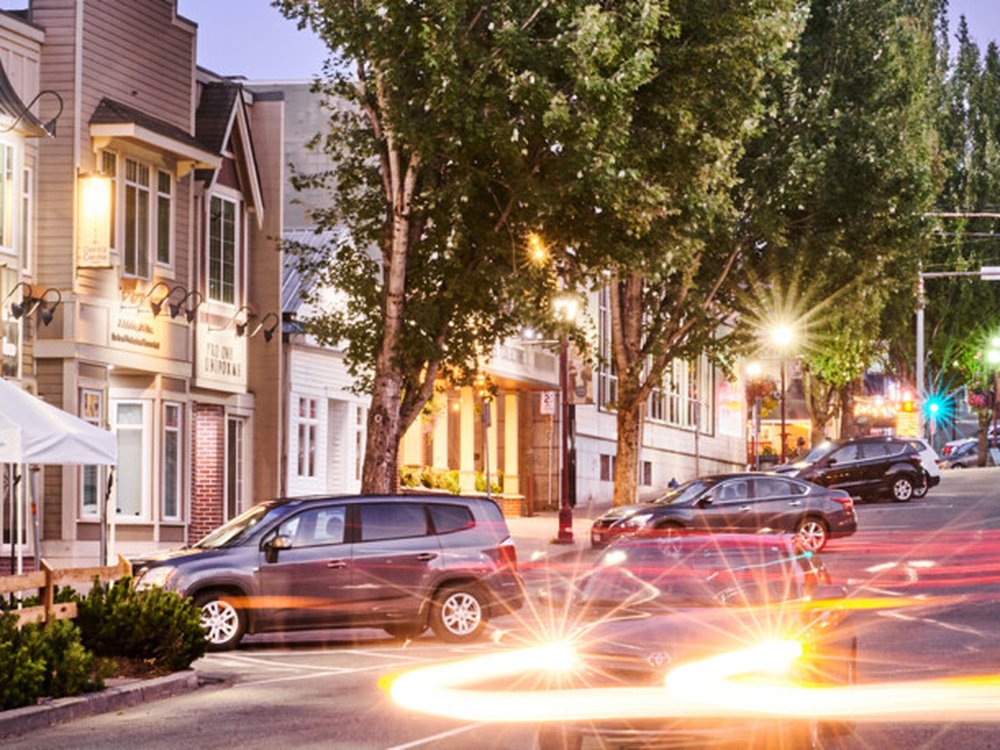
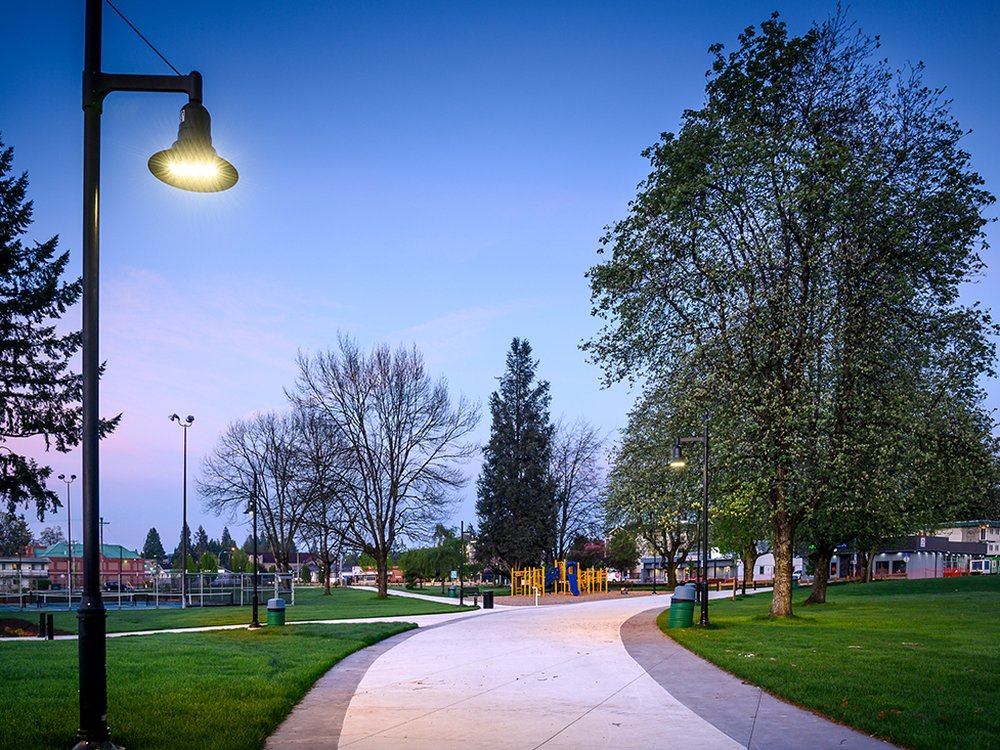
The Fraser Valley keeps a rhythm that takes a full year to learn. Spring arrives early and wet, and the blueberry fields between Langley and Abbotsford turn from bare rows to green in a matter of weeks. By June the light stretches past nine in the evening and the whole valley moves outdoors: the trails at Campbell Valley, the dikes along the Fraser, a slow walk through Fort Langley while the shops are still open.
Summer is the season people picture, and it earns the reputation. Mornings on the water at Rocky Point in Port Moody. Afternoons on the Okanagan, where downtown Kelowna ends at the beach and the lake does the rest. Evenings on a patio with the mountains still lit long after dinner.
Autumn is the quiet favourite. The valley turns gold, the crowds thin, and the drive east on Highway 1 becomes one of the better commutes in the country. Then winter arrives, and the rain with it, and this is where people either fall for the place or admit they were only visiting. Those who stay learn the trade: mild, green, wet at sea level, and an hour from real snow when you want it.
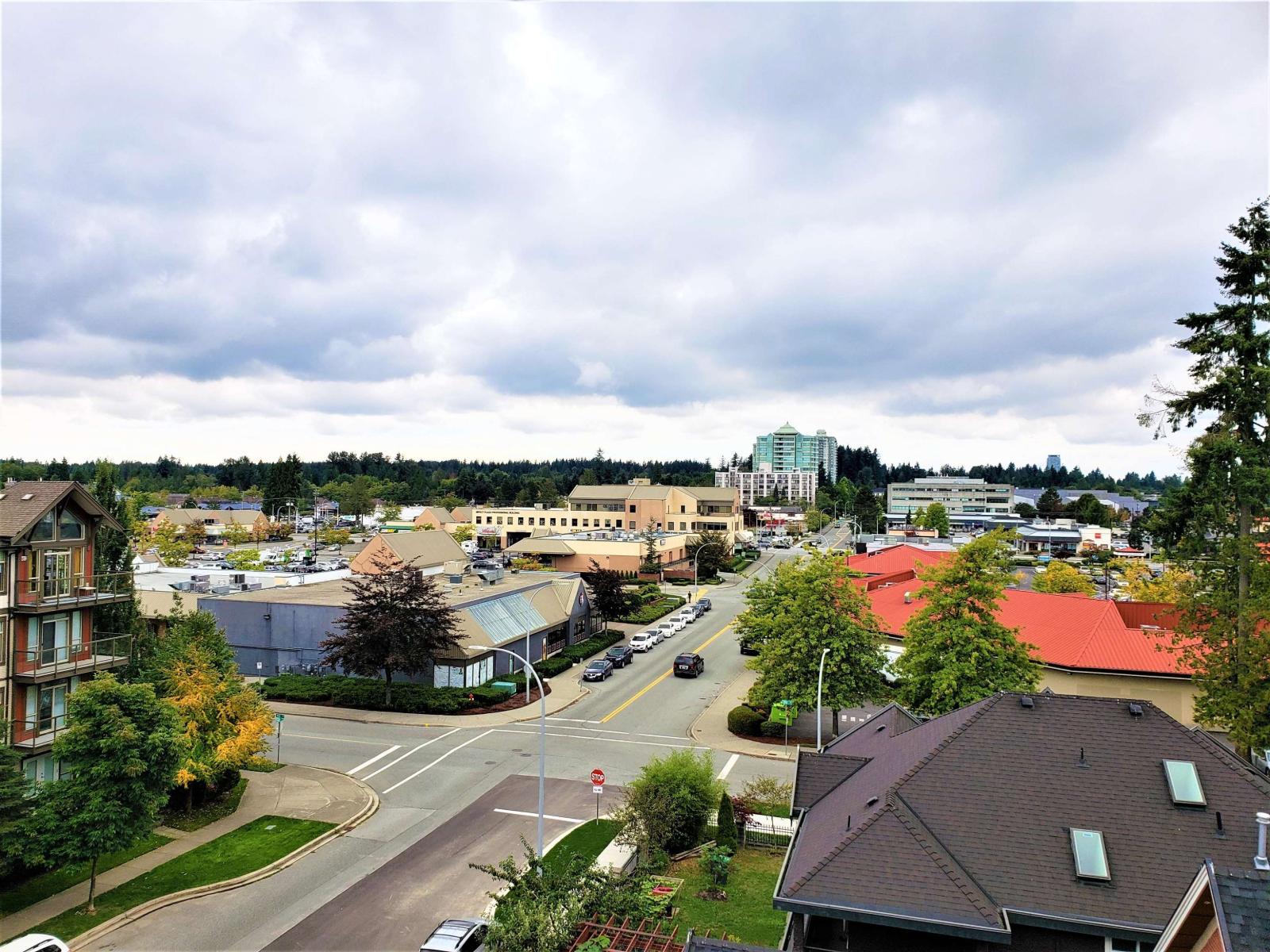
The other half of the appeal is that you are never choosing only one life. Downtown Vancouver is a peninsula where everything is a walk away and the seawall runs the whole edge of it. Yaletown and Gastown carry the brick and the history. Kitsilano has the beach and the low-rise streets. An hour east, Langley gives you the yard, the space and the pace, and Abbotsford gives you the valley itself. People move between these places over a lifetime, and often more than once.
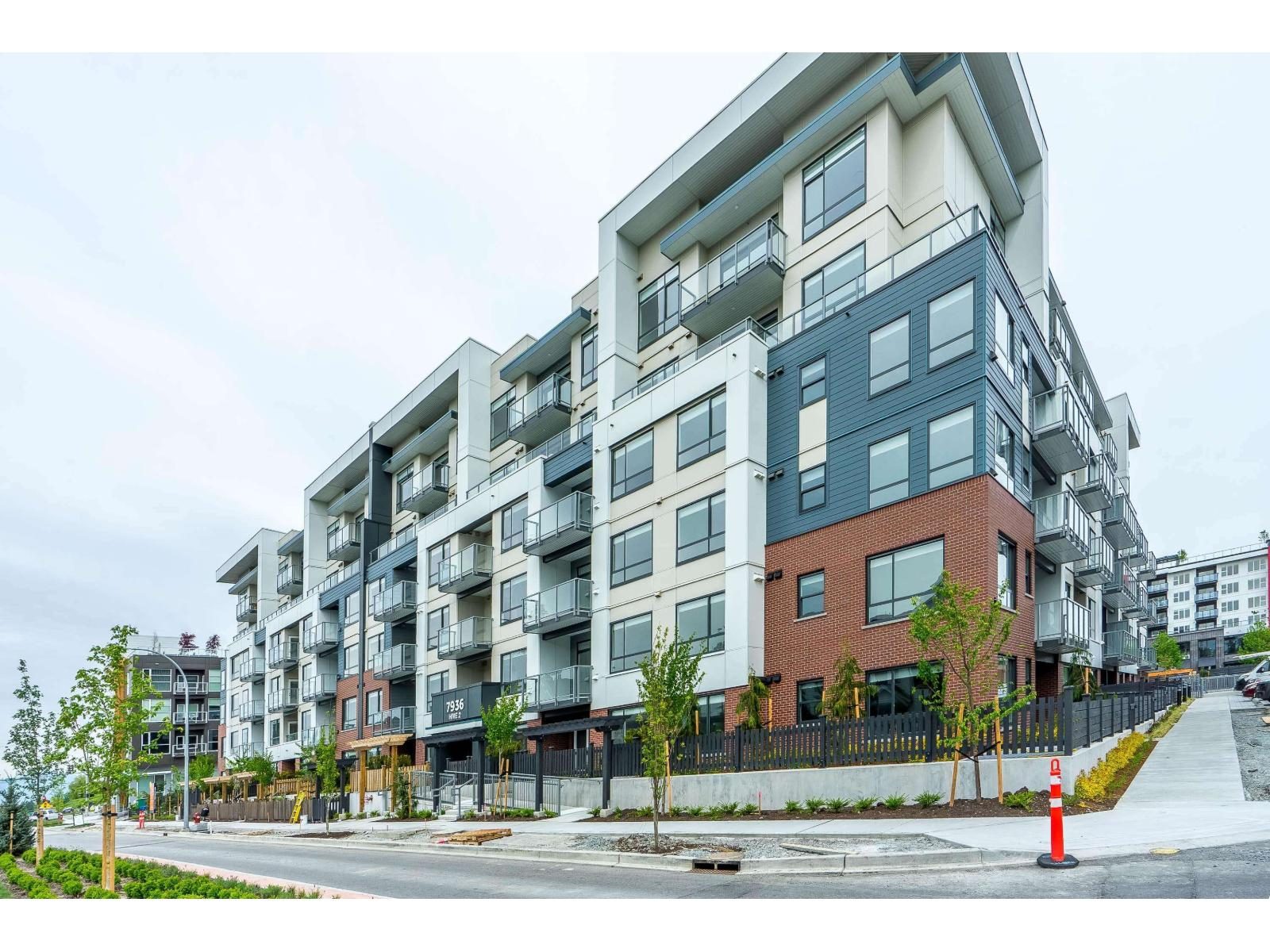
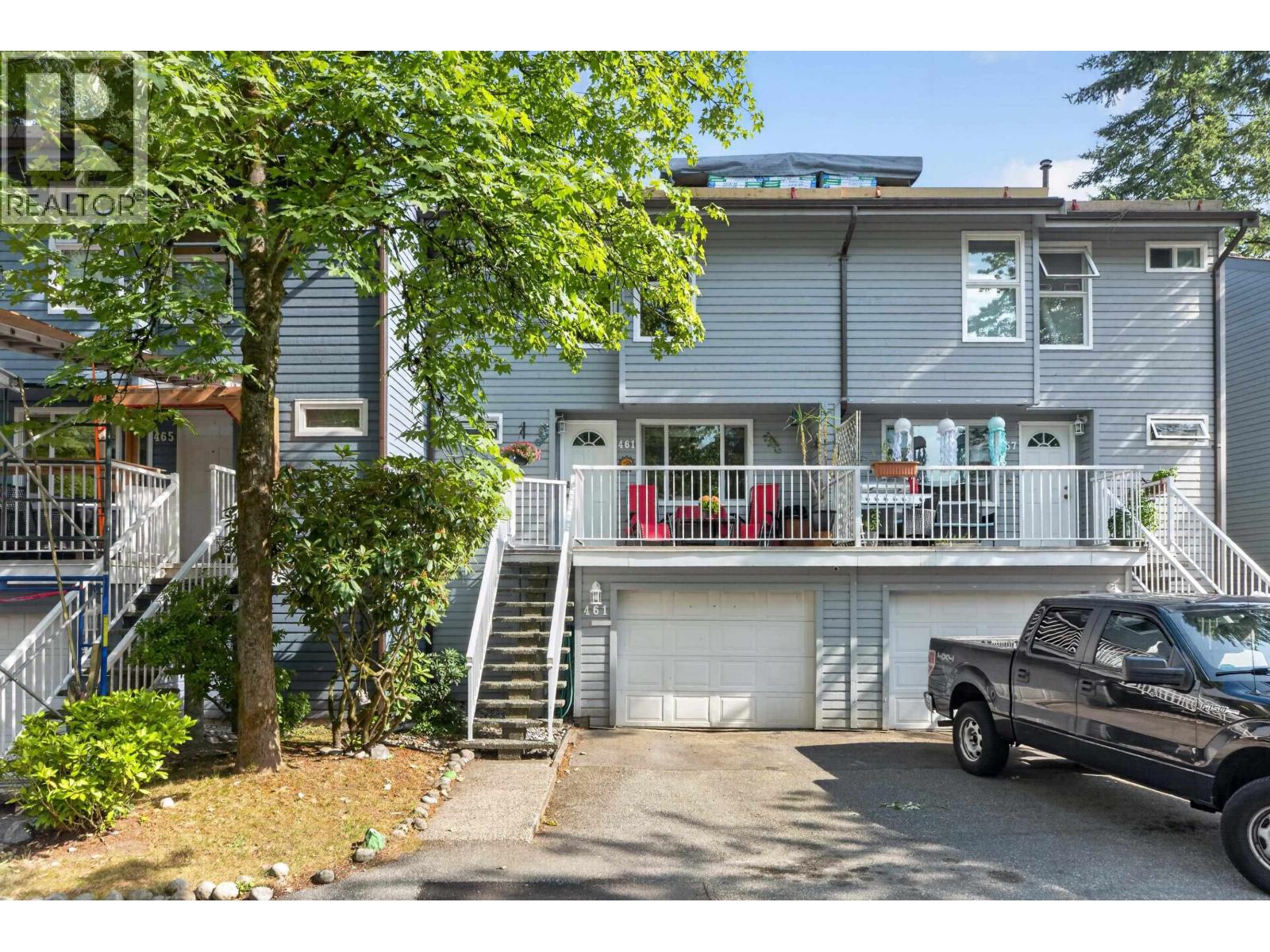
That is the part a listing photo cannot show you. A home is a decision about a street, a season and a routine, not just about a floor plan. It is why I ask clients to visit a neighbourhood three times before they commit, and why the community matters as much as the house standing on it.